Did you know
Most daily aches come from muscles or joints, while true nerve pain is less common but easier to recognise once you know the signs. Learning the difference helps you choose the right next step so recovery starts sooner and lasts longer.
At VARDĀN we do not only treat the painful spot. Using Functional Manual Therapy® (FMT™), we restore joint glide, improve timing with CoreFirst™, and then build strength that holds in daily life and sport.
Muscle vs joint vs nerve at a glance
| Feature | Muscular pain | Joint pain | Nerve related pain |
|---|---|---|---|
| What it feels like | Ache, tightness, cramp, sore to touch | Deep pinch, click, stiffness, limited range | Sharp, electric, burning, tingling, numbness |
| Pattern | Worse with effort in a specific muscle, better with gentle movement | Stiff after rest, painful at end range or with load | Travels along a line into arm or leg, night or cough can flare |
| Self test clue | Press on the muscle and it reproduces the pain | End of motion feels blocked or painful | Light skin strokes or gentle taps trigger symptoms |
| Common triggers | New or higher volume activity, long sitting, poor support | Repeated positions, heavy or awkward load, poor alignment | Disc irritation, nerve entrapment, tight tunnels, diabetes or metabolic drivers |
| First steps | Easy range, short holds, light strength in pain-free range | Restore joint glide, unload then reload with control | Calm the system, restore nerve glide, address space and mechanics |
How each pain behaves in real life
Muscular pain
- Clues: dull ache, knot or cramp, sore to press. You can point to a band or spot. Warm up makes it easier.
- Why it starts: load jumps, poor timing, muscles doing the job of missing stability.
- What helps today: gentle range, short isometrics, easy sets that do not spike pain, sleep and protein to support tissue repair.
Joint pain
- Clues: deep pinch or stiffness at the end of motion, clicks or catches, mornings feel tight then ease.
- Why it starts: restricted glide, poor alignment, repeated end range, load that outpaces control.
- What helps today: supported positions, small arc movement, light compress and decompress, do not force depth.
Nerve related pain
- Clues: sharp or electric pain that travels, tingling or numbness, weakness in a pattern, cough or strain can flare.
- Why it starts: disc irritation, tunnel crowding at the wrist or elbow, or nerve sensitivity from long guarding.
- What helps today: calm posture, neutral positions, short nerve glide only within comfort, avoid long stretch holds that fire symptoms.
Simple self-checks you can try
Where FMT™ fits in your week
- Location test: One fingertip spot that hurts with pressure suggests muscle. A deep line or end range block points to joint. A path down an arm or leg suggests nerve.
- Motion test: Pain that warms up with gentle movement often points to muscle. Pain at the end of range or with load often points to joint. Pain that zings with a cough or sends tingling into fingers or toes often points to nerve.
- Sensitivity test: If light tapping near a tunnel area (carpal tunnel at the wrist, cubital tunnel at the elbow) or gentle skin strokes reproduce tingling, nerve involvement is likely.
What to do this week
- If it behaves like muscle Easy range little and often, short isometrics at low effort, gradual load in the direction that stays calm. Do not chase burn or fatigue on day one.
- If it behaves like joint Supported positions, small arcs that feel smooth, avoid forcing depth. Use short movement snacks through the day rather than one long session
- If it behaves like nerve Stay neutral at the neck and lower back. Use brief comfortable nerve glide only, then stop. Reduce long held stretches that reproduce tingling.
- For all three Keep sleep steady, spread activity through the day, and track what calms symptoms by the next morning.
Why patterns matter more than spots
Where FMT™ fits in your plan
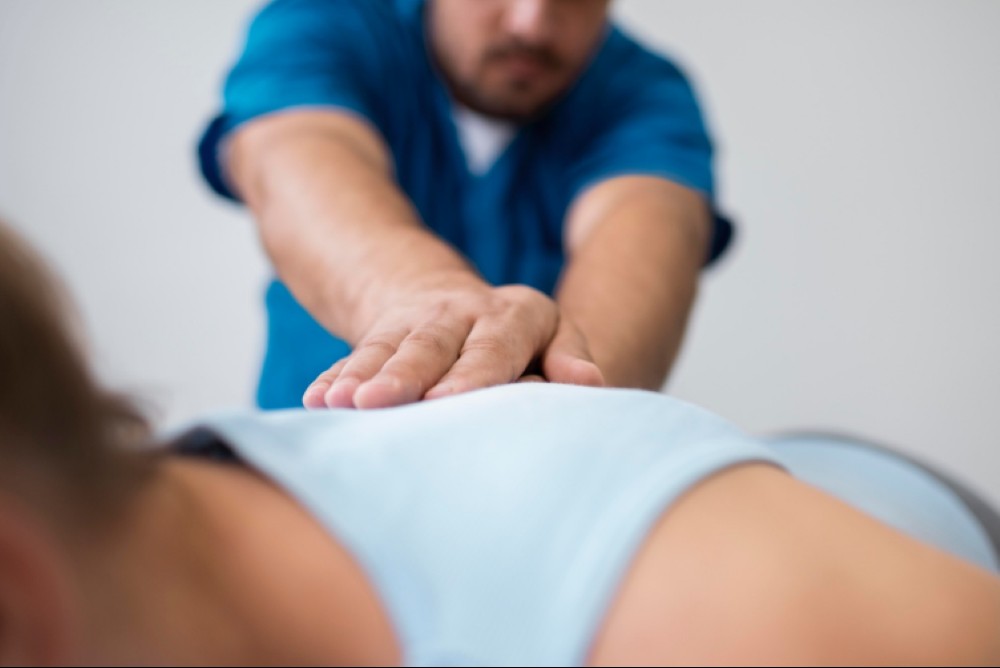
- Restore mobility with FMT™ Free joint and soft tissue glide at the exact segment that blocks smooth motion.
- Re code control with CoreFirst™ Align ribs over pelvis and breathe low and wide so stability arrives before you lift, reach, step, or rotate.
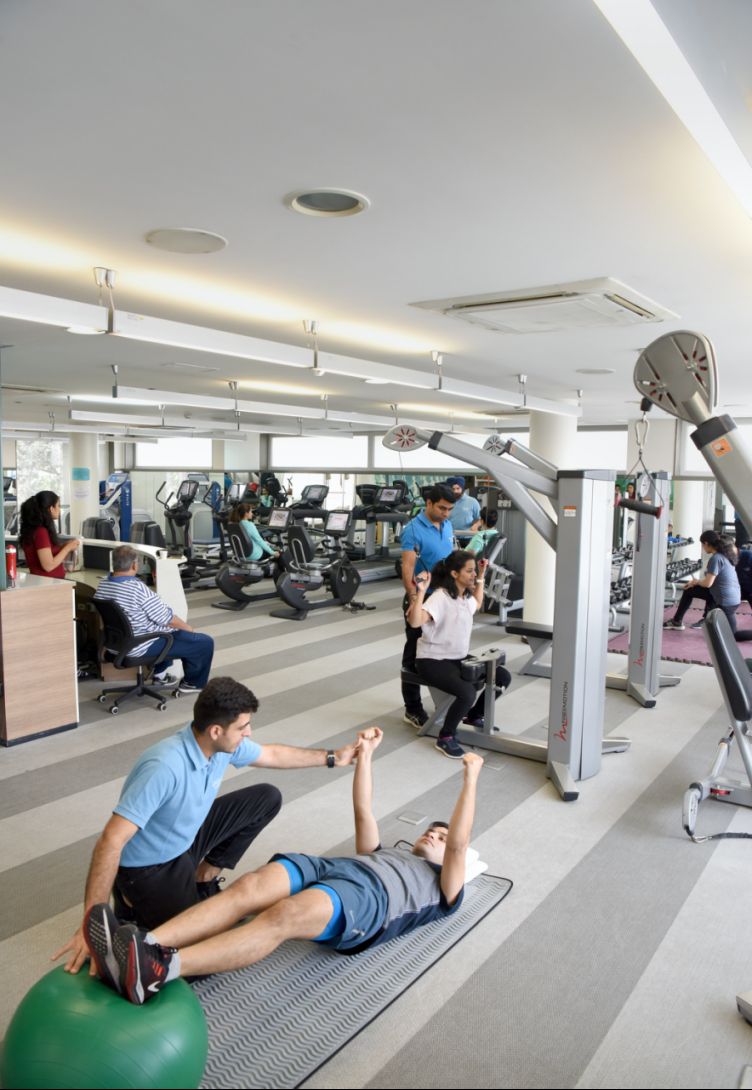
- Reload strength that carries into life Split squats, step downs, hinges, pushes, and pulls in ranges you can own. Build capacity without flare ups.
- Prove it in your task Desk setup, lifting form, running cadence, grip and wrist position for tools or racquets. Small changes, big payoff.
When to seek an assessment now
- Night pain that wakes you
- Pain down the arm or leg with numbness or weakness
- A pop with swelling or a clear loss of function
- No change after one to two weeks of steady, sensible care
Ready for a clear plan that treats the cause
Request an Appointment for Functional Manual Therapy®, a CoreFirst®Movement Assessment, or Clinical Pilates at VARDĀN, Lajpat Nagar, New Delhi.
Call us today at +91 011 43580720-22 / 9810306730
📅 Book your root-cause consultation at www.vardan.in
📍 Visit our advanced physiotherapy clinic in Delhi in Lajpat Nagar