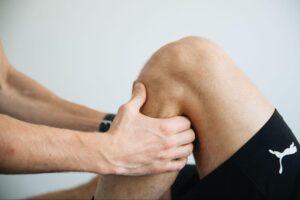
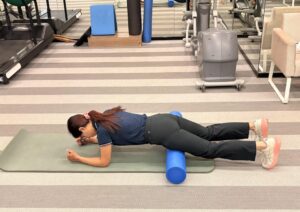
A major study published in The Lancet in 2020 estimated that 2.41 billion people worldwide were living with conditions that could benefit from rehabilitation, representing nearly one in three people. The study also found that musculoskeletal conditions accounted for the largest share of this need, affecting approximately 1.71 billion people.
These figures highlight how common movement-related problems have become. But they also raise an important question: Are we focusing enough on understanding why people struggle to move, rather than simply treating where they feel pain?
Someone recovering from a knee injury may continue to struggle with stairs even after the pain has reduced. Another person may regain shoulder mobility but still find lifting objects uncomfortable. In both situations, the missing piece could be how different parts of the body work together.
This is where movement assessment becomes an important part of effective rehabilitation.
What the Research Has Been Saying
Research increasingly recognises rehabilitation as more than symptom relief. Its purpose is to help people regain the physical abilities needed for everyday activities, work, recreation and independence.
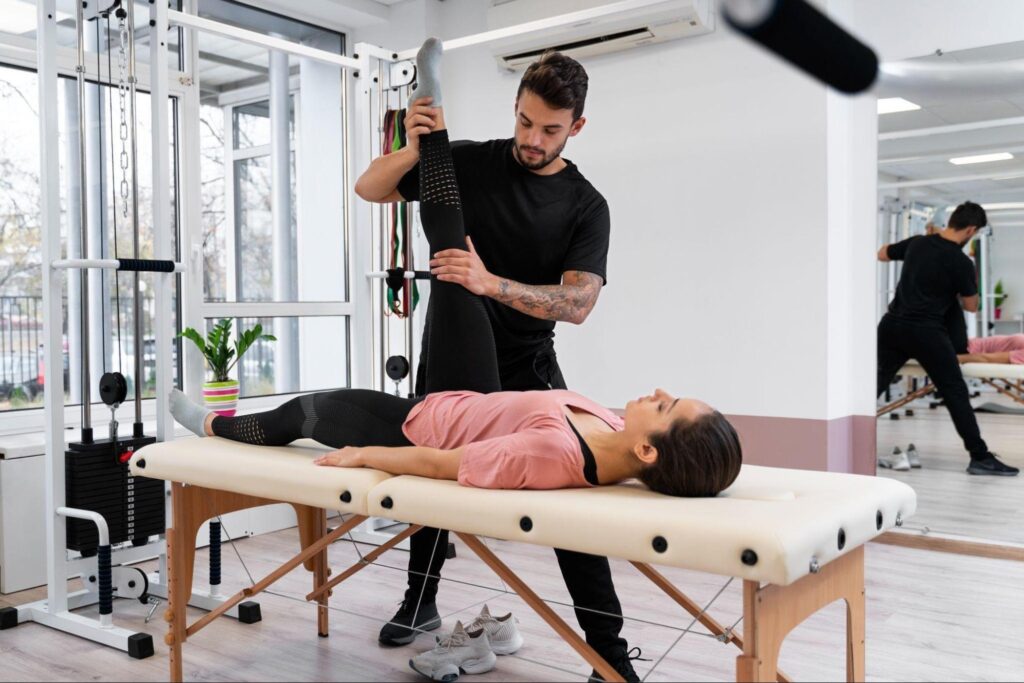
Movement assessment contributes to this process by examining how a person performs functional tasks. Instead of looking only at an individual joint, it considers mobility, strength, stability, coordination and movement patterns.
However, assessment is not about predicting every future injury from a single test. Its value lies in identifying current limitations, guiding appropriate interventions and measuring changes over time.
The Common Misconception
If the pain has reduced, rehabilitation is complete.
Pain relief is important, but it does not necessarily mean that normal movement has returned. A person may experience less knee discomfort while continuing to place excessive load on one leg. Someone recovering from back pain may avoid bending naturally because they no longer trust the movement.
These adaptations can remain even after the original symptoms improve. Effective rehabilitation therefore needs to consider not only how someone feels, but also what their body can comfortably and confidently do.
A Case That Explains It Clearly
Consider an illustrative example of an office professional experiencing recurring lower back discomfort. The pain is most noticeable after prolonged sitting. Stretching provides temporary relief, but the problem returns during long working days.
A movement assessment may reveal limited hip mobility, reduced trunk control or difficulty coordinating the hips and spine while bending.
These findings do not automatically establish the cause of the pain. They do, however, provide useful information about which movement limitations may need attention. Rather than relying on a standard set of back exercises, rehabilitation can then be planned around the individual’s symptoms, physical findings and daily requirements.
What the Problem Actually Is
Movement problems are not always isolated to the area where discomfort is felt. The body functions through connected joints, muscles and movement systems. When one area becomes restricted or difficult to control, another may need to work differently to complete the same task.
For example:
- Limited ankle mobility may change how a person squats or climbs stairs.
- Reduced hip movement may affect bending and walking.
- Poor trunk control may make lifting and reaching less efficient.
- Shoulder restrictions may lead to altered upper-back movement.
These relationships are not the same for everyone. A structured assessment helps identify which findings are relevant to the person’s actual difficulties.
How Movement Assessment Actually Works
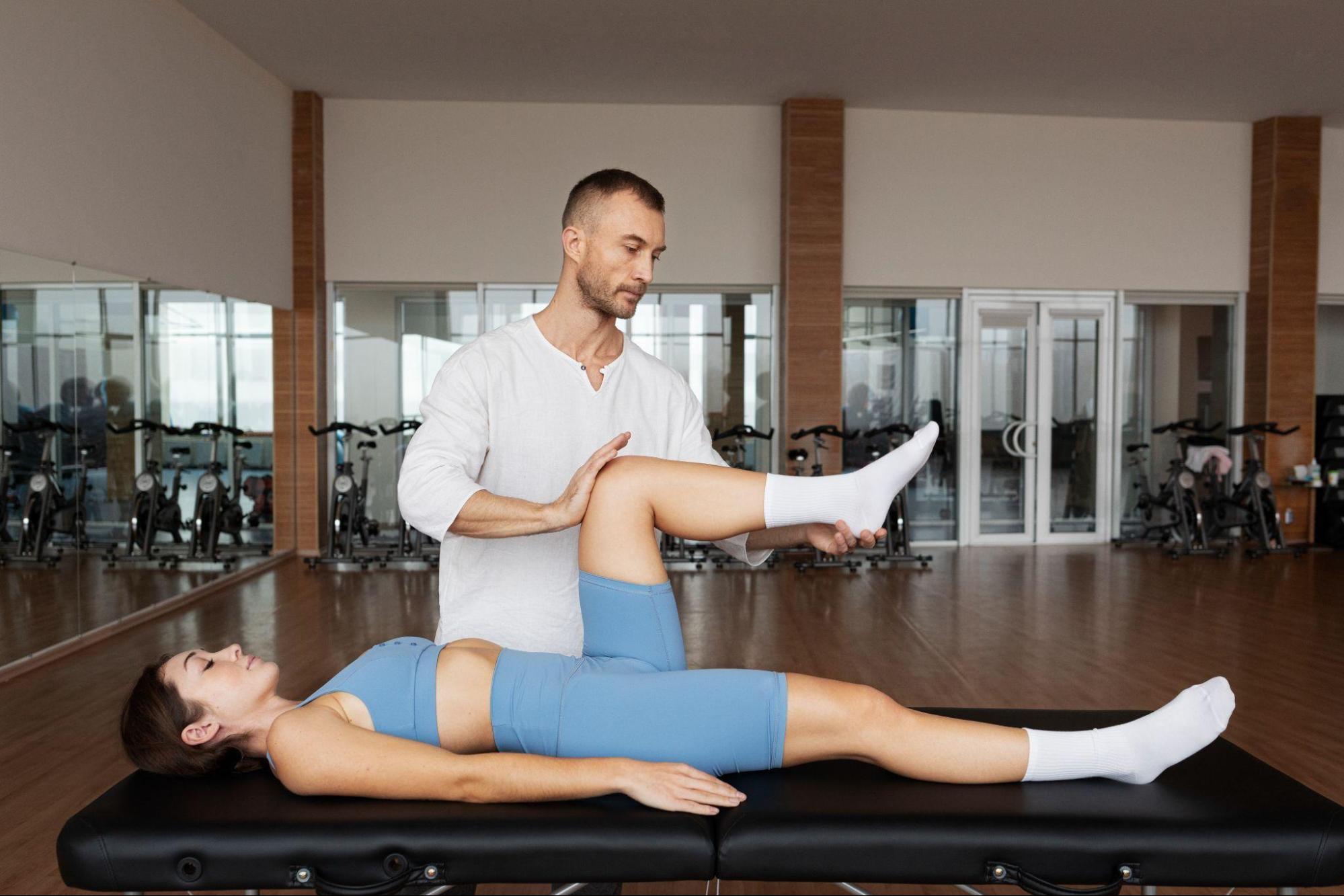
A comprehensive movement assessment begins with understanding the individual. The Functional Manual Therapy team considers the person’s symptoms, injury history, medical background, activity levels and rehabilitation goals.
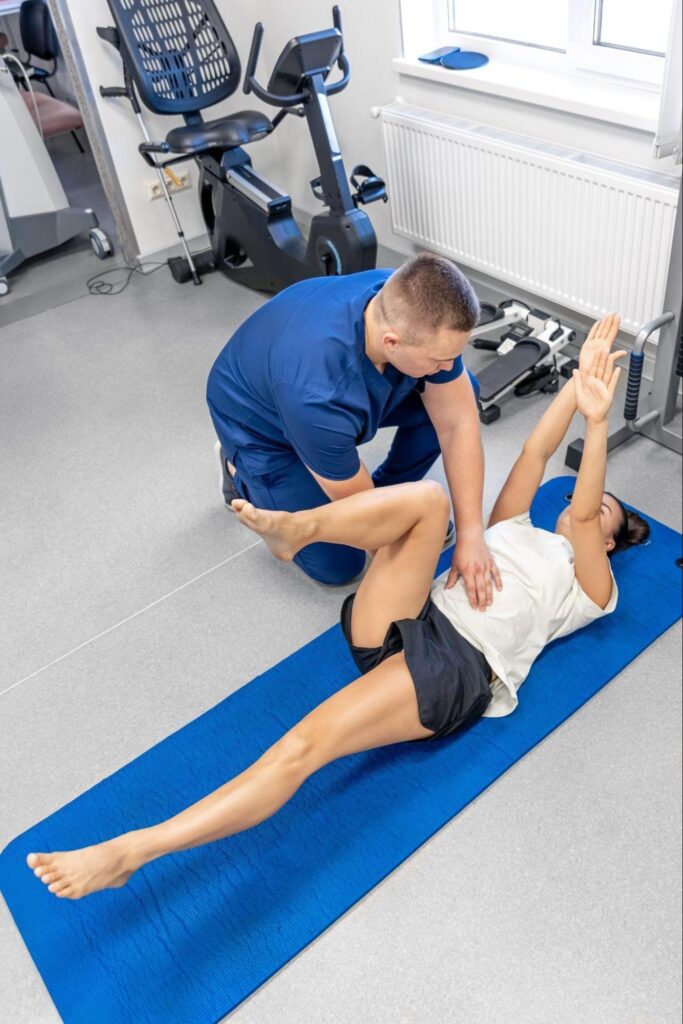
The assessment may then include observing everyday actions such as walking, sitting, standing, bending, reaching or balancing. Specific tests can help evaluate:
- Joint mobility: Whether the joints have sufficient movement for the intended activity.
- Muscle function: Whether the relevant muscles can generate and manage force.
- Stability: How effectively the body maintains control during movement.
- Coordination: Whether different body regions work together efficiently.
- Functional capacity: How comfortably a person performs activities that matter to them.
The findings are interpreted together with the person’s symptoms and medical history, rather than treating any single test result as a diagnosis.
Why This Matters in Daily Life and Performance
Early Signs That Movement Restriction May Be Affecting Performance
- Recurring discomfort during everyday activities.
- Stiffness that affects bending, turning or reaching.
- Difficulty maintaining balance during simple movements.
- One side of the body feeling noticeably weaker or less coordinated.
- Pain returns when exercise intensity increases.
- Continued difficulty performing familiar tasks after an injury.
Persistent or worsening symptoms should be assessed appropriately. New weakness, significant numbness or other concerning symptoms may require medical evaluation.
What Restoring It Actually Requires
1. Restore Mobility
The first step is to identify and address relevant joint or soft-tissue restrictions. Improving available movement may help someone perform activities with less difficulty.
2. Retrain Control
Greater mobility is not always useful without adequate stability. Rehabilitation may include exercises that improve muscle coordination, trunk control and the ability to manage different positions.
3. Build Capacity
The final stage involves gradually increasing strength, endurance and tolerance for everyday or sporting activities. Progression depends on the individual’s condition, symptoms and response to rehabilitation.
The Role of Functional Manual Therapy®
At VARDAN, Functional Manual Therapy® combines detailed movement assessment with hands-on techniques and functional exercise.
FMT™ looks beyond the immediate area of discomfort to examine relevant restrictions in joints, muscles and surrounding tissues. For example, someone struggling with a squat may have adequate knee movement but limited ankle or hip mobility. Identifying these limitations can help the Functional Manual Therapy team decide which areas require attention.
The objective is not simply to increase flexibility, but to make improved mobility useful during everyday activities.
The Role of CoreFirst®
Once relevant restrictions have been addressed, the next challenge is learning to use the available movement effectively. CoreFirst® focuses on coordinated muscle activation and trunk control, helping the body develop more efficient strategies for movement.
This can be relevant when someone needs to bend, lift, reach, walk or perform more demanding physical activities. Together, FMT™ and CoreFirst® provide a framework for addressing mobility restrictions and integrating improved control into functional movement.
Movement Assessment: A Fast Reference Guide
| What you experience | What may need assessment | Initial focus at VARDĀN |
|---|---|---|
| Difficulty bending forward | Hip and spinal mobility | Identify relevant restrictions |
| Knee discomfort on stairs | Lower-limb strength and coordination | Assess movement and load tolerance |
| Shoulder stiffness while reaching | Shoulder and upper-back function | Improve usable mobility |
| Feeling unstable while walking | Balance and lower-body control | Evaluate stability and coordination |
| Discomfort when returning to sport | Strength, mobility and activity tolerance | Plan progressive rehabilitation |
These are possible areas for assessment, not definitive explanations for symptoms.
Two Simple Adjustments You Can Apply Today
1. Observe Your Everyday Movements: Notice whether getting up from a chair, reaching overhead or climbing stairs feels different on either side. Pay attention to discomfort, stiffness or unusual difficulty rather than forcing the movement.
2. Progress Activity Gradually: Avoid suddenly increasing exercise intensity after a period of inactivity or injury. Choose activities within your current ability and build up according to symptoms and professional guidance.
What Progress May Look Like in the First Two Weeks
Days 1–4 (Assessment and Understanding): The initial focus may include evaluating movement restrictions, identifying functional goals and introducing suitable exercises.
Days 5–10 (Developing Better Control): Depending on the findings, rehabilitation may progress towards mobility work, controlled movement and strengthening activities.
Days 11–14 (Reviewing Functional Progress): The team may reassess specific movements, review symptom responses and adjust the programme to support the next stage.
Some individuals require longer periods before noticeable improvement, particularly after surgery or with longstanding conditions.
Better Rehabilitation Begins with Understanding How You Move
Pain may be the reason someone seeks help, but restoring comfortable movement often requires a broader understanding of physical function. A detailed assessment helps identify relevant limitations, establish realistic goals and guide rehabilitation according to individual needs.
At VARDAN, Functional Manual Therapy® and CoreFirst® work together to support a personalised approach to movement restoration, stability and physical performance.
Book a movement assessment at VARDĀN and take the first step towards more effective rehabilitation.
Book an Assessment at VARDĀN
Call us today at +91 011 43580720-22 / 9810306730
📅 Book your root-cause consultation at www.vardan.in
📍 Visit our advanced physiotherapy clinic in Delhi in Lajpat Nagar