Case study
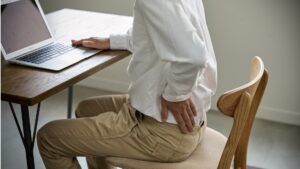
After a long product launch and weeks of late flights, Arnav, 34, developed a stubborn band of mid back and neck pain. His scans were unremarkable and rest brought only brief relief. During his first session at VARDĀN, his functional manual therapist noticed high chest breathing, lifted ribs, and a trunk that braced late whenever he stood up or reached.
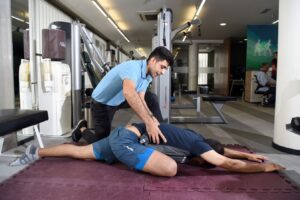
We restored rib and thoracic glide, coached calm low rib breathing, and taught a simple CoreFirst® set before sit to stand and desk reach. Within ten days Arnav’s sleep improved, the grip in his neck eased, and he returned to light runs without next day flare.
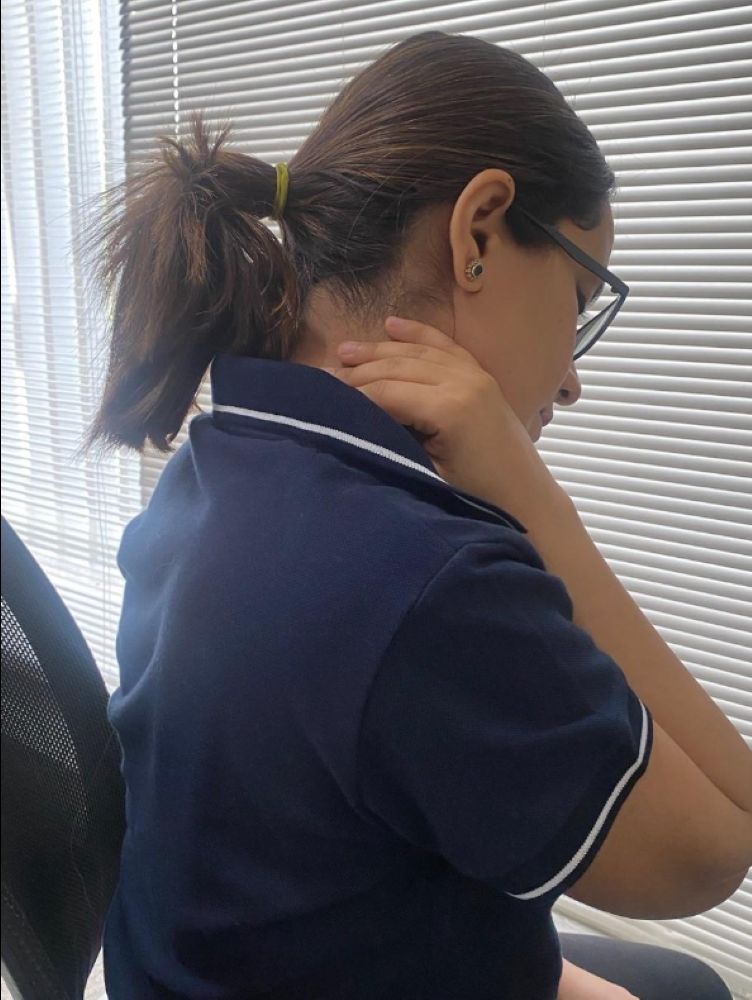
Why symptoms linger even when tissue looks normal
Pain is shaped by your nervous system. When the system stays on high alert, it amplifies danger signals, keeps muscles guarding, and blocks smooth motion. The brain reads stiff ribs, limited joint glide, and shallow breathing as threat. Unless those signals change, strength and stretching feel like work that does not last.
At VARDĀN in Lajpat Nagar, we combine Functional Manual Therapy® with CoreFirst® strategies so mechanics and the nervous system shift together. The goal is simple. Make movement feel safe and efficient, then build capacity that holds up in life and sport.
What a nervous system first approach changes
- Safety signals rise, threat signals fall Low rib diaphragmatic breathing and better rib over pelvis alignment calm reactivity. Your system allows motion without reflex guarding.
- Guarding releases and motion smooths When ribs, thoracic spine, hips, and neck glide, the brain no longer needs to brace every move.
- Strength begins to stick With anticipatory stability in place, practice rewires timing. You build capacity without poking a sensitive system.
How we do it at VARDĀN
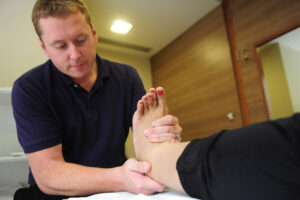
- Restore glide with Functional Manual Therapy® Hands on work frees the rib cage, diaphragm attachments, thoracic spine, hips, and neck so movement loses friction.
- Recode control with CoreFirst® You learn to place ribs over pelvis and to breathe low and wide. We teach a light anticipatory set before you lift, step, reach, or rotate.
- Reload capacity We add graded strength and Clinical Pilates so the new pattern develops endurance without flare.
- Prove it in what you do We link changes to desk work, childcare, stairs, running, tennis, golf, or swimming. Progress is measured by tasks that matter to you.
Quick map: sign → likely pattern → first focus

| What you notice | Likely pattern in the system | First focus at VARDĀN |
|---|---|---|
| Neck tight by mid day | Chest dominant breathing, rib flare | Restore rib and upper thoracic glide, coach low rib breath and quiet neck |
| Back ache after sits or stands | Late trunk set and protective bracing | Ribs over pelvis alignment, CoreFirst® set then move for sit to stand and hinge |
| Shoulder pinch overhead | Stiff ribs and scapula, shallow breath | Thoracic glide, scapular rhythm, diaphragm led inhale before reach |
| Pain spreads after light activity | High alert and protective guarding | Gentle manual therapy, breath downshift, graded exposure to movement |
| Strong in the gym but not in life | Poor carryover of timing and control | Task practice that ties new control to daily and sport patterns |
1. Workday reset: screens, calls, and long sits
- Set ribs over pelvis, then breathe low and wide. Chair support now helps instead of fights you.
- Short “set-then-move” breaks every 30–45 minutes keep the neck calm and the mid back mobile.
- Result: easier upright sitting, smoother stand-ups, fewer tension spikes by late afternoon.
2. Household lifts and daily pickups
- Breath first, then hinge, then lift the bag or box close to the body.
- The brace is light and even, so legs drive the effort and the back stays quiet.
- Result: less next-day stiffness from groceries, laundry, and floor-level tasks.
3. On your feet: walking, stairs, and commutes
- Low-rib breathing steadies the trunk; steps feel lighter and more rhythmic.
- Keep a soft foot tripod (heel, big toe, little toe) for stable landings and smooth push off.
- Result: fewer calf and knee niggles, easier climbs, and less fatigue by evening.
4. Reach and carry: work bag, laptop, and child pick-ups
- Set CoreFirst® before the reach; keep the item close and your ribs quiet.
- Shoulder and neck stop overworking because the trunk is already supporting the move.
- Result: easier overhead shelves, safer car-seat buckles, and calmer shoulders during commutes.
5. Sleep and morning start
- Gentle low-rib breaths in side-lying downshift tension before bed.
- On waking, one minute of calm breathing plus a supported hinge primes the day.
- Result: fewer “first-step” jolts and a smoother start after long weeks.
Two week reset you can follow
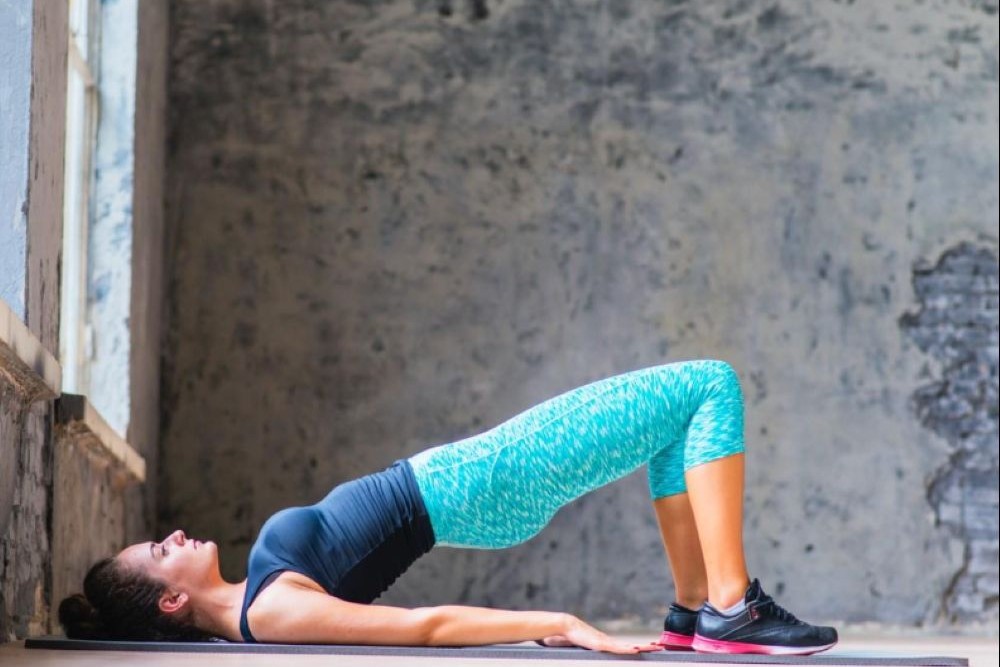
Days 1 to 3: Downshift and align
- Short breathing blocks in supported lying and sitting that expand the lower ribs in all directions
- Gentle thoracic and hip mobility
- Easy walks to tolerance without chasing distance
Days 4 to 7: Make it automatic
- CoreFirst set then move for sit to stand, light hinge to pick items, and short carries
- Keep effort low and track the next day response rather than chasing repetitions
Days 8 to 14: Build without spikes
- Add controlled strength such as supported squat, hinge, step ups, and band pulls
- Resume your chosen skill in small bouts and stop while it still feels good
Case study follow through
Who benefits most
- Recurrent back, neck, or shoulder pain that returns with stress or desk time
- Post surgery progress that stalls after early gains
- Athletes who feel strong in the gym but not in their sport
- Anyone whose scan looks fine yet symptoms persist
Why this approach works
- It treats mechanics and the nervous system together
- It prioritises anticipatory stability so big movers stop over guarding
- It links changes to real tasks and sport so learning sticks
- It respects autonomic balance so the body allows movement without alarm
Move calm. Move strong. Let your nervous system lead the change.
Request an Appointment for Functional Manual Therapy®, a CoreFirst®Movement Assessment, or Clinical Pilates at VARDĀN, Lajpat Nagar, New Delhi.
Call us today at +91 011 43580720-22 / 9810306730
📅 Book your root-cause consultation at www.vardan.in
📍 Visit our advanced physiotherapy clinic in Delhi in Lajpat Nagar