A Movement-Based Clinical Perspective
Why Neuromuscular Control Matters in Daily Life
Neuromuscular control is not only an athlete topic. It is the reason you can climb stairs without wobbling, carry groceries without compensating, or get up from a chair without your back taking over.
The numbers reflect how common control related issues can be in everyday life. Around one third of adults over 65 fall at least once a year. Balance related symptoms like dizziness are also commonly reported in the community. These are not only ageing issues. They are often movement strategy issues.
When control declines, the body adopts compensatory strategies. Over time, repeated compensation increases tissue stress and pain.
What Neuromuscular Control Means Biomechanically
Neuromuscular control is your body’s ability to organise stability and movement at the right time, in the right place, with the right amount of effort. It includes
- Joint mobility so movement is available
- Alignment so the body stacks well
- Timing so stability arrives before effort
- Coordination so segments share work
- Endurance so control holds under fatigue
How Reduced Control Appears in Everyday Tasks
How Stiffness Progresses Across the Workday
- Your knee caves in on stairs
- One hip always feels tighter
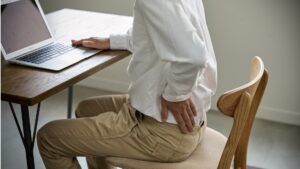
- Your neck tightens during desk work
- Your back takes over during lifting
- You feel unstable on uneven ground
- You feel strong but not steady
Why Pain Develops After Routine Activity
- A joint is stiff so another joint moves more
- Stability arrives late so the body braces
- One side dominates so the other side avoids load
- Fatigue changes posture and timing
Early Indicators of Reduced Neuromuscular Control
- Pain that appears later in the day
- Tightness that moves around the body
- A sense of imbalance between left and right
- Form that breaks down quickly under fatigue
- Recurring flare ups in the same place
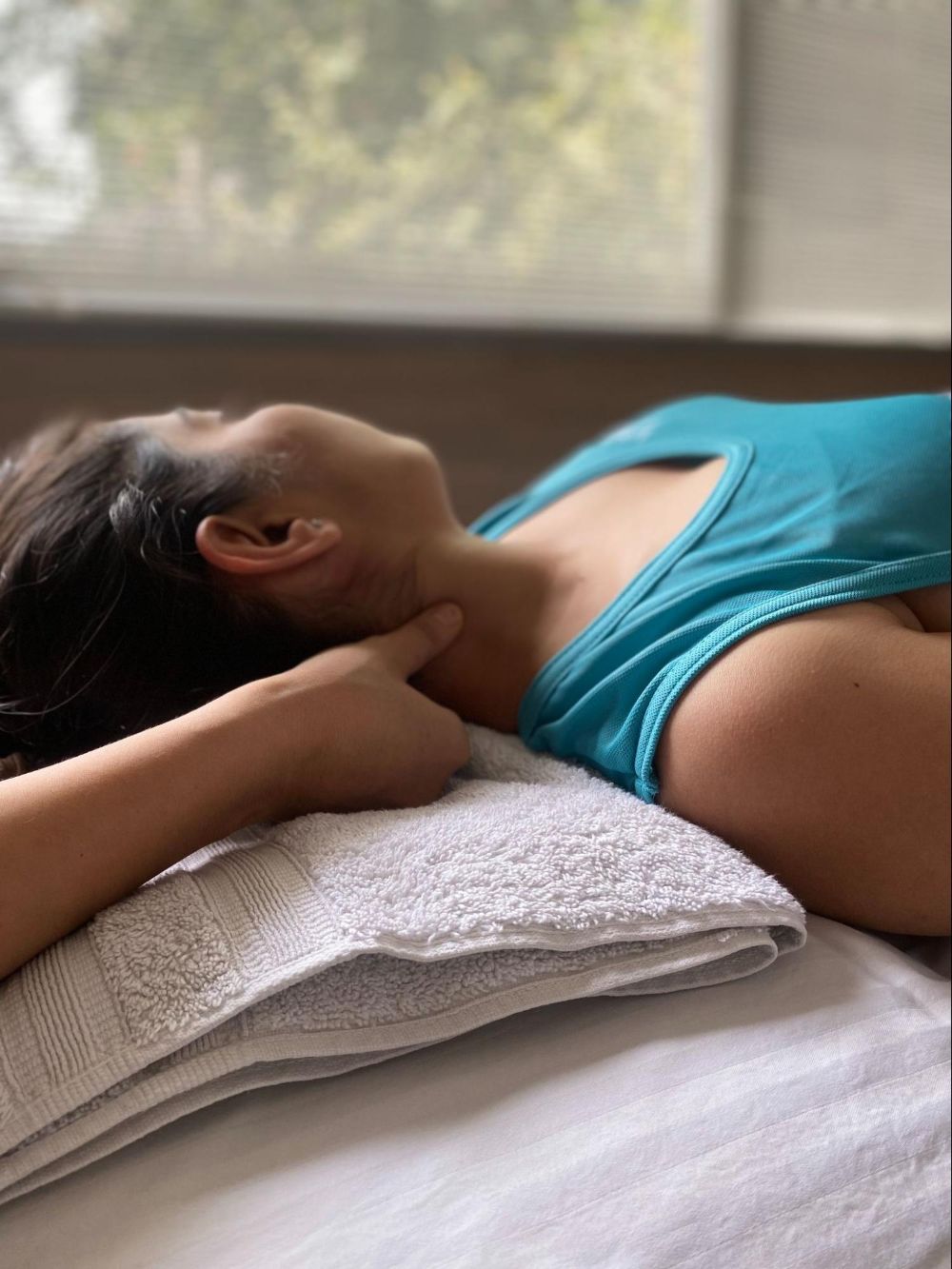
How We Assess Neuromuscular Control at VARDĀN
- Posture and breathing mechanics
- Joint mobility and glide
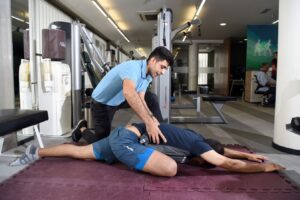
- Fundamental movement patterns such as hinging, squatting, lunging, and rotation
- Single leg control and balance
- Control in usable range, not only end range
- What changes with repetition and fatigue
Fast Reference: Symptoms, Meaning, Initial Focus
| What you experience | Likely interpretation | First focus |
|---|---|---|
| Back tightness after sitting | Posture fatigue and late stability | Reset alignment, build endurance for posture control |
| Knee discomfort on stairs | Single leg control deficit or limited ankle motion | Restore ankle mobility, retrain knee tracking and control |
| Neck tightness at the desk | Rib stiffness and poor upper body control | Improve rib mobility and posture strategies |
| Hip stiffness during walking | Limited hip mobility or pelvic control | Restore hip mobility, retrain pelvis control in gait |
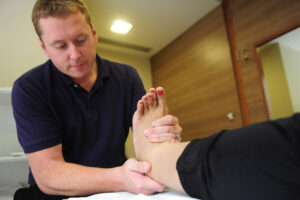
| Feeling unsteady on uneven ground | Balance strategy and foot control gaps | Improve foot stability and balance coordination |
The role of FUNCTIONAL MANUAL THERAPY®
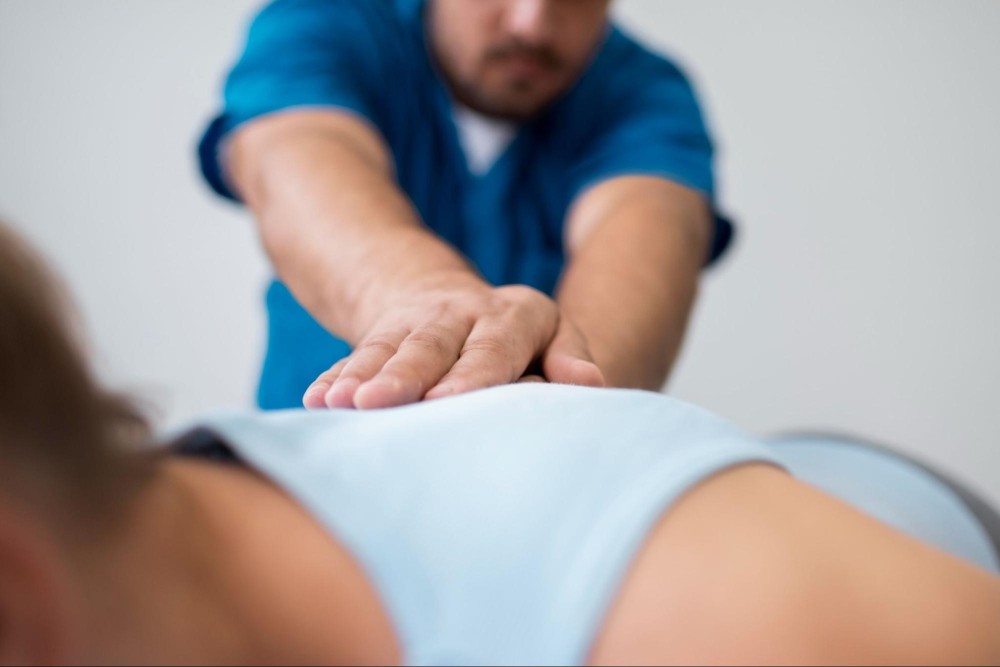
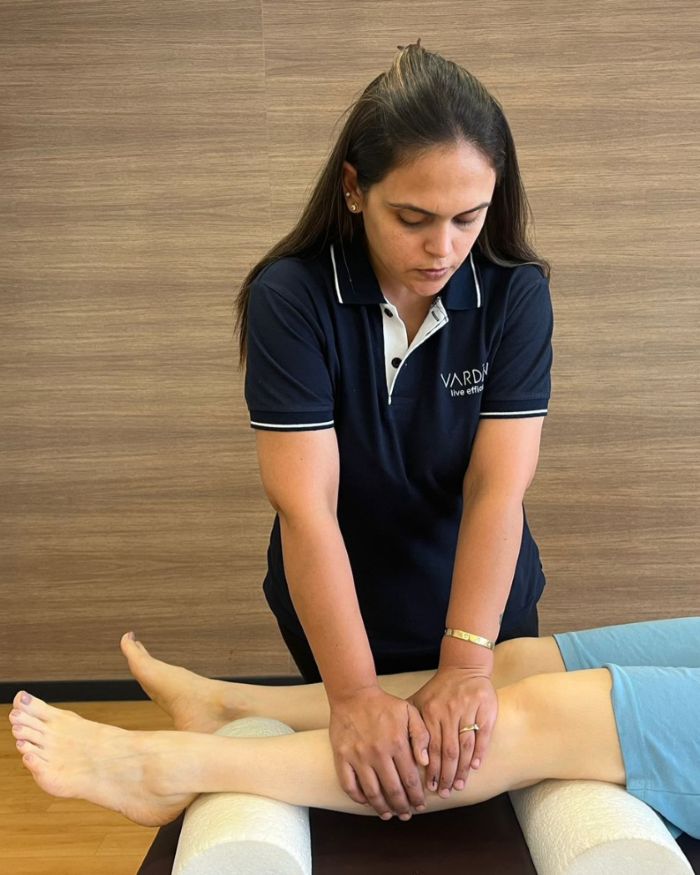
When joint mechanics are restricted, control becomes harder. The body compensates to find motion. FUNCTIONAL MANUAL THERAPY® helps restore joint mobility and soft tissue glide so better movement is available again.
FMT™ identifies restricted joint mechanics and overworking regions so correction targets the primary driver rather than the symptom.
This is how the plan becomes precise, not generic.
The role of CoreFirst®
Call us today at +91 011 43580720-22 / 9810306730
📅 Book your root-cause consultation at www.vardan.in
📍 Visit our advanced physiotherapy clinic in Delhi in Lajpat Nagar