What if the stretch you choose is deciding your speed more than your strength
Before every session your body has a choice. Prime the system to move faster and cleaner, or hold positions to lengthen tissues and unwind tension.
Both dynamic and static stretching have value, but not at the same time and not for the same purpose. The right order is the difference between feeling sharp in the first rep and spending the first ten minutes trying to wake up your legs.
Mini Case
Arjun, a state level sprinter, kept opening sessions with long hamstring holds. He felt loose but his first acceleration always felt dull. We switched his pre run to CoreFirst® breathing and a short dynamic sequence for hips, ankles, and trunk, then saved static holds for the cool down. His first 30 meters felt alive again and next day stiffness dropped without losing range.
Why the choice matters
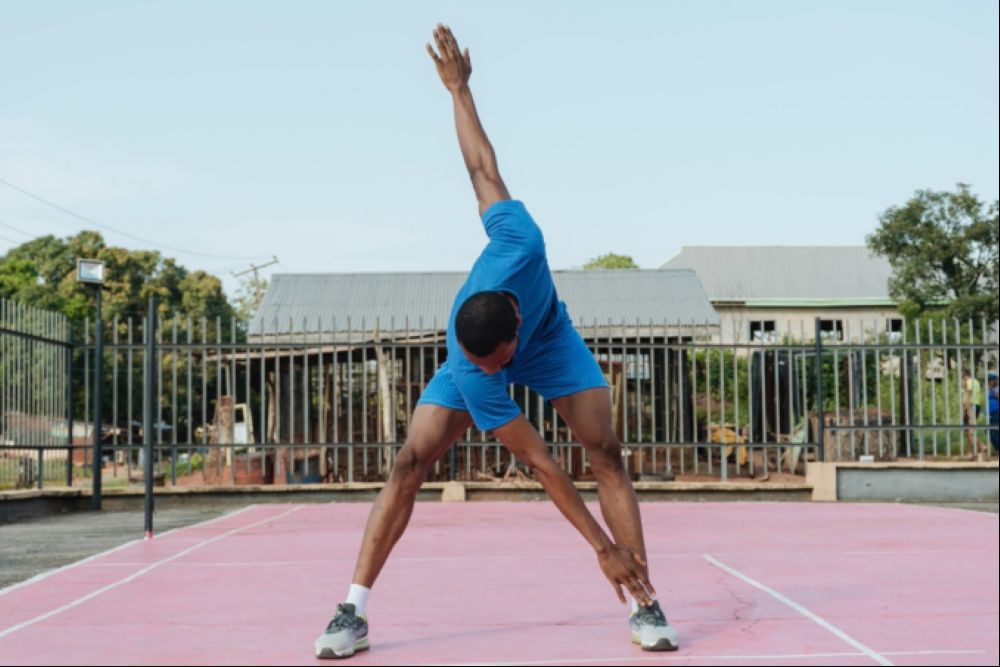
- Dynamic work raises temperature, improves joint glide, and rehearses patterns at the speed you plan to use.
- Static holds calm overactive areas and build usable range once the session is done
At VARDĀN in Lajpat Nagar we pair Functional Manual Therapy® with CoreFirst® strategies so warm ups improve control first, and cool downs build lasting mobility. Advanced Physiotherapy and Clinical Pilates then turn that mobility into durable strength.
What dynamic stretching does
- Increases blood flow and temperature so tissues feel elastic.
- Rehearses coordination with ribs over pelvis and a quiet trunk.
- Primes tendons to store and release energy for running, change of direction, lifting, or swimming.
What static stretching does
- Reduces resting muscle tone and helps lengthen areas that stay tight.
- Paired with breathing, it downshifts the nervous system after work.
- Helps maintain range when combined with strength through that range.
Quick guide: which stretch, when
| Goal you care about most | Choose mostly | Best timing | Add from the other side |
|---|---|---|---|
| Explosive starts and sprints | Dynamic sequences | Pre workout warm up | Short static hold for a stubborn area after practice |
| Smooth overhead and rotation | Dynamic rib and shoulder prep | Before swim, tennis, or golf | Static pec and lat holds in the cool down |
| Reduce next day stiffness | Static holds with breath | Post session | Easy dynamic mobility the next morning |
| Long term mobility gains | Static holds plus strength in new range | Separate mobility block | Light dynamic drills to integrate the range |
How VARDĀN builds a better warm up and cool down
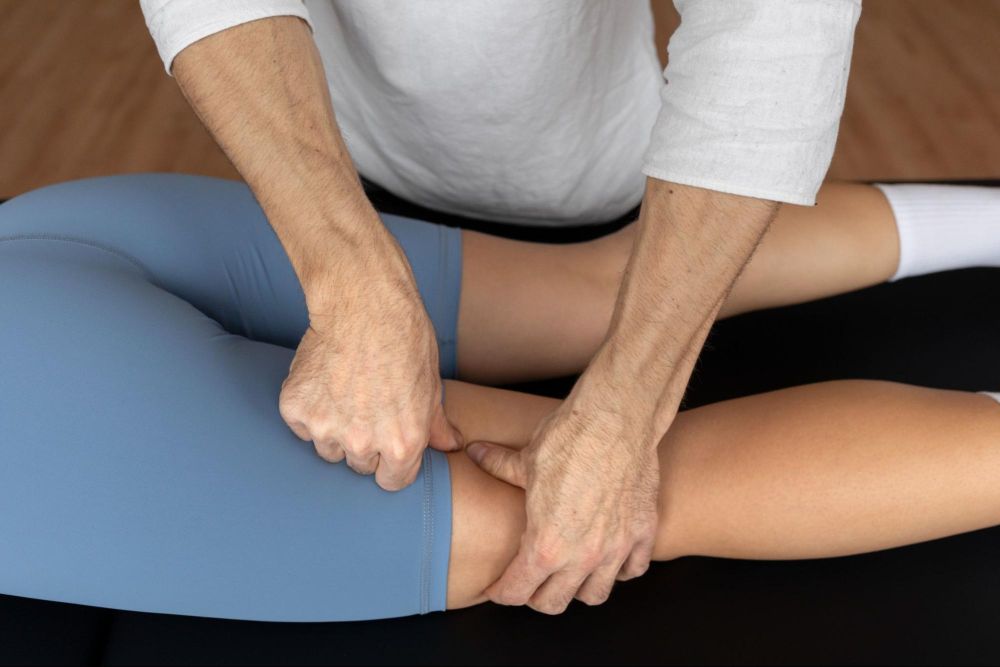
Functional Manual Therapy® improves joint and soft tissue glide so dynamic prep feels natural rather than forced. CoreFirst® places ribs over pelvis and sets the shoulder blade or hip before you move. Advanced Physiotherapy and Clinical Pilates add strength and control so gains hold up in sport and daily life.
Warm up flow
CoreFirst® breath and alignment, dynamic mobility for hips, thoracic spine, and shoulders, then sport drills that match the day.
Cool down flow
Common mistakes that cost performance
- Holding long static stretches just before power or speed work. Save them for later.
- Moving too fast too soon. Dynamic does not mean wild. Build speed gradually.
- Skipping breath. Low rib breathing stabilises the trunk so limbs move freely.
- Stretching only what feels tight. Often the neighbor is the limiter. Free the hip to help the knee, free the rib cage to help the shoulder.
Sport snapshots
Running
Dynamic before: marching and skips, ankle rocks, short strides with a slightly higher cadence.
Static after: calves and hip flexors, then a brief hamstring hold followed by strength in range.
Tennis or swimming
Dynamic before: thoracic rotations, scapular circles, banded pull aparts with breath.
Static after: pecs and lats, then controlled reach or catch patterns to keep the range.
Golf
Dynamic before: hip openers and trunk turns with a quiet head, light tempo swings.
Static after: hip flexor and thoracic side bends, then anti rotation holds.
A simple weekly structure
- Training days: dynamic warm up before, short static cool down after.
- Heavy weeks: add one mobility session of static holds with breathing and light strength through range.
- Recovery weeks: keep dynamic gentle and expand static range a little further.
When stretching alone is not enough
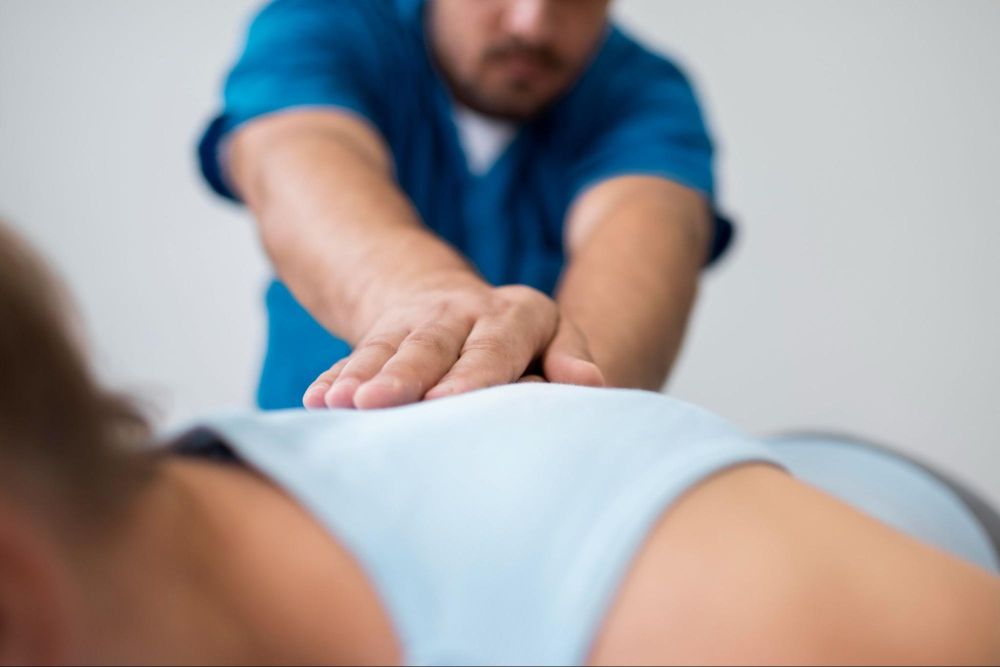
If you hit the same wall every week you probably have a restriction that needs hands on help. Tight hip flexors that never change, a shoulder that pinches overhead, or calves that always tighten at the same distance are signs to look deeper. Functional Manual Therapy® can free the limiter so your dynamic and static work finally stick.
Train with intent. Perform with ease.
Call us today at +91 011 43580720-22 / 9810306730
📅 Book your root-cause consultation at www.vardan.in
📍 Visit our advanced physiotherapy clinic in Delhi in Lajpat Nagar
Frequently Asked Questions
Avoid long holds before power or speed sessions because they can dull readiness. If one area is stubborn, use a brief hold and follow it with an active drill to bring tension back before you start.
Thirty to sixty seconds suits most people. Pair the hold with calm, low rib breathing. Follow it with strength in the new range so you keep what you gain.
Five to ten minutes is enough for most sessions. Cover hips, thoracic spine, and shoulders, then shift into simple drills that resemble the movements you plan to use. You should feel warmer, smoother, and balanced.
Not always. If joint glide is limited or soft tissue is tethered, stretching may feel like effort without change. That is where Functional Manual Therapy®, Advanced Physiotherapy, and Clinical Pilates make the difference.