Understanding the Connection Between Movement and Metabolic Health
What the Evidence Shows
Exercise remains one of the most effective lifestyle interventions for improving blood sugar regulation.
Research has demonstrated that structured exercise programs can reduce HbA1c levels by approximately 0.66% to 0.80% in individuals with Type 2 Diabetes. Large population studies have also shown that regular physical activity significantly lowers the risk of developing diabetes in high-risk individuals.
These findings highlight a simple but powerful truth:
Movement changes the way the body functions.
Why Exercise Helps Regulate Blood Sugar
- Improved glucose uptake by working muscles
- Enhanced insulin sensitivity
- Better blood sugar regulation after meals
- Increased endurance and physical capacity
- Improved confidence in daily movement
The Impact of Movement on Daily Function
- Increased stiffness during daily activities
- Reduced balance and stability
- Slower movement responses
- Earlier fatigue during walking or standing
- Reduced confidence in movement
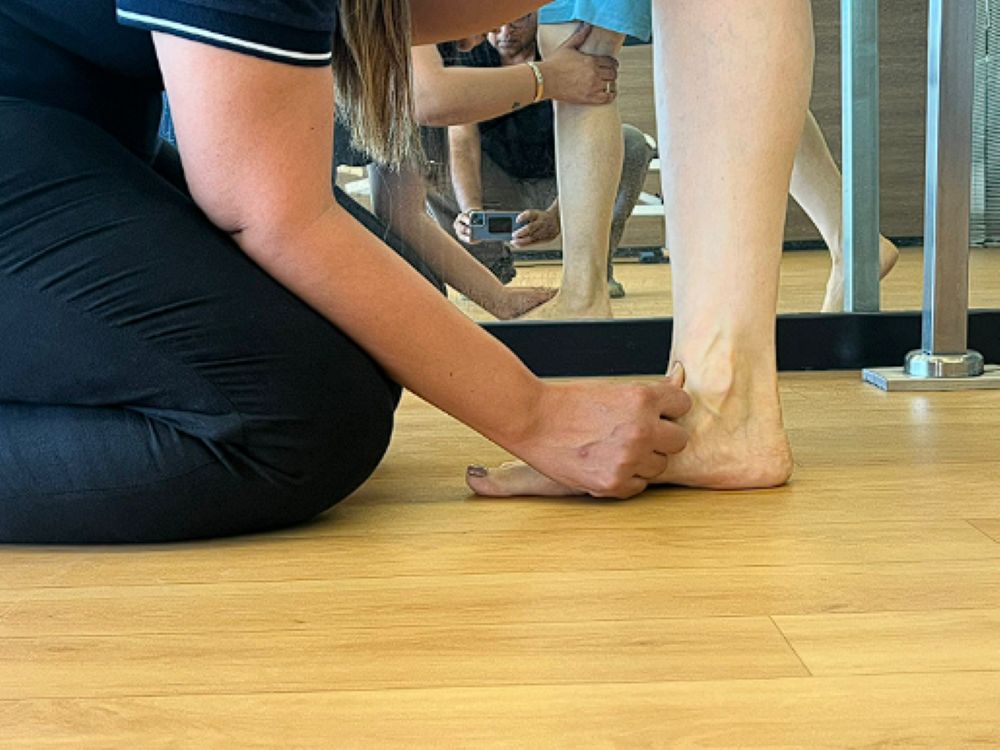
Why Some People Exercise but Still Feel Stuck
- Exercise programs that lack structure or progression
- Pain and stiffness limiting consistency
- Mobility restrictions reducing movement quality
- Fatigue developing faster than movement control
- Compensation patterns creating repeated stress on the same tissues
The Relationship Between Movement Quality and Blood Sugar Control
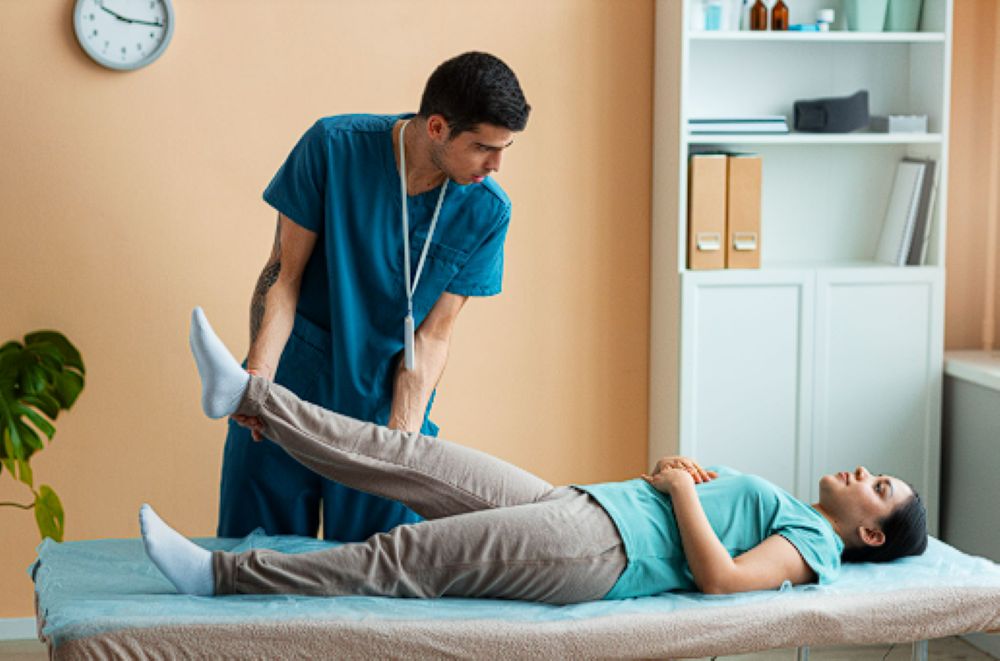
The VARDĀN Assessment Approach
At VARDĀN, we focus on helping individuals move more efficiently so they can remain active with confidence.
A structured assessment evaluates:
- Posture and breathing mechanics
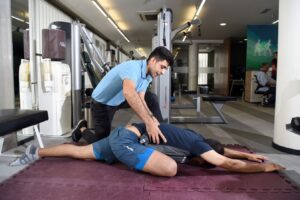
- Joint mobility and movement quality
- Foundational movement patterns such as squatting, hinging, lunging, and rotation
- Balance and single-leg control
- Stability throughout functional ranges of motion
- Changes in movement under repetition and fatigue
Common Movement Challenges and What They May Indicate
| What You Notice | What It Often Suggests | Initial Focus |
|---|---|---|
| Foot or heel discomfort during walking | Inefficient load distribution | Improve walking mechanics and mobility |
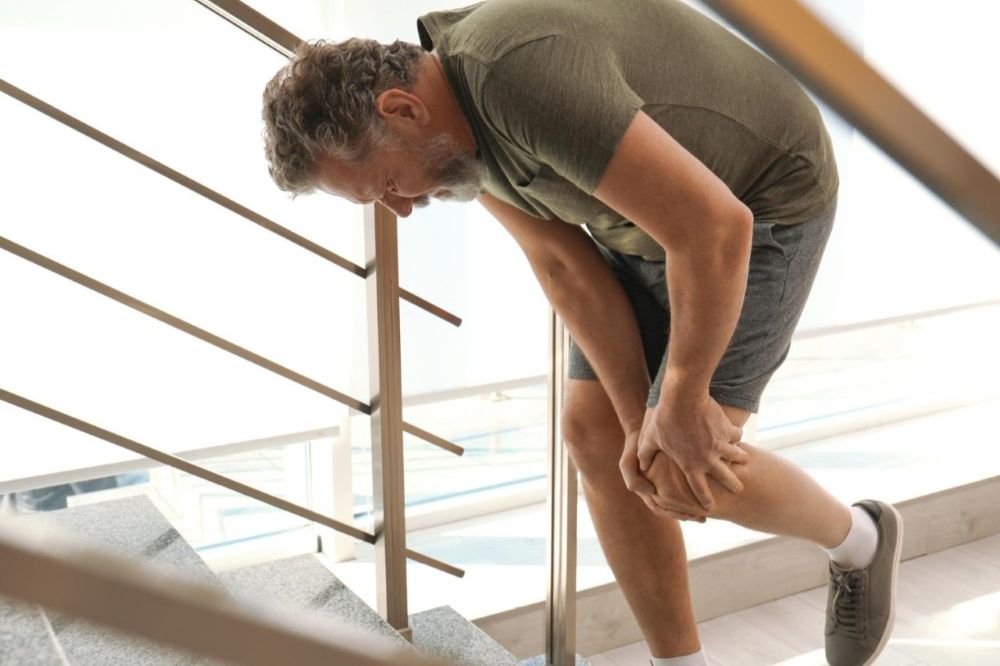
| Knee or hip discomfort during exercise | Reduced mobility or movement control | Restore movement quality before increasing load |
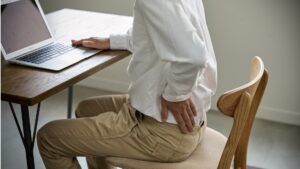
| Lower back tightness after activity | Reduced postural endurance | Improve stability and movement efficiency |
| Balance feels uncertain | Reduced joint awareness and control | Rebuild balance strategy and confidence |
| Stiffness after periods of inactivity | Reduced movement variability | Increase movement frequency and mobility |
The Role of FUNCTIONAL MANUAL THERAPY® (FMT™)
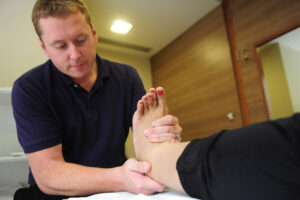
FUNCTIONAL MANUAL THERAPY® helps restore mobility where restrictions limit efficient movement.
By improving joint mechanics and soft tissue adaptability, FMT™ creates the conditions necessary for comfortable and sustainable activity.
It also helps identify the areas contributing to compensation, allowing treatment to be directed toward the true source of dysfunction rather than simply managing symptoms.
The role of CoreFirst®
- Walking efficiency
- Balance and confidence
- Postural endurance
- Exercise tolerance
- Movement quality during daily activities
Moving Towards Better Health
Exercise is one of the most powerful tools available for supporting blood sugar regulation and improving overall health.
However, successful movement programs are built on more than motivation alone. They require efficient mechanics, appropriate progression, and a strategy that can be sustained over time.
At VARDĀN, we combine movement assessment, FUNCTIONAL MANUAL THERAPY® (FMT™), and CoreFirst® principles to help individuals move with greater confidence, consistency, and long-term capability.
Begin with a Movement Assessment at VARDĀN
Discover how your body moves, where restrictions may exist, and what strategy can help you build a more efficient and sustainable foundation for health.
Correct. Restore. Perform.
Call us today at +91 011 43580720-22 / 9810306730
📅 Book your root-cause consultation at www.vardan.in
📍 Visit our advanced physiotherapy clinic in Delhi in Lajpat Nagar