A clinical movement perspective
A case that feels familiar
Sanjay, 42, had been managing diabetes and high blood pressure for a few years. Work was demanding, sleep was inconsistent, and activity came in phases. Some weeks he walked regularly. Some weeks he barely moved. Over time, he noticed changes that were hard to explain. His feet felt heavier by evening. Stairs felt slower. His back tired sooner during routine chores. He assumed it was age and stress.
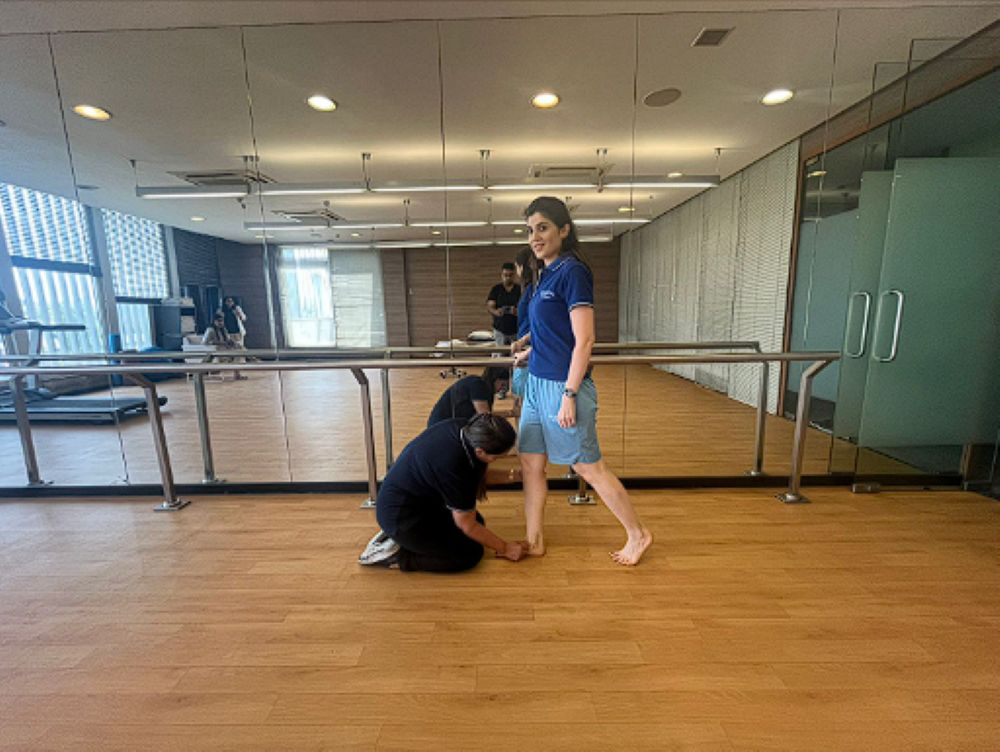
When Sanjay came to VARDĀN, the first step was clarity. The assessment showed a predictable pattern. Movement quality had reduced because mobility was tightening in key joints and control was arriving late under fatigue. His body was finding stability through tension instead of coordination. Once the driver pattern was identified, the plan became specific and practical.
Lifestyle disorders affect more than lab reports. They can change how the body senses, stabilises, and shares load

What changes when lifestyle disorders accumulate
1) Tissue readiness
Stiffness can build faster, recovery can feel slower, and joints can feel less free in daily tasks.2) Nervous system control
When the body feels under strain, movement often becomes more protective. That can look like gripping, guarding, and reduced smoothness.3) Endurance for posture and alignment
Long sitting, low activity phases, and fatigue can reduce how long posture stays organised. Once posture control drops, the back, neck, and knees often take extra stress. These are subtle shifts. They usually show up as movement changes before they show up as a clear injury.These are subtle shifts. They usually show up as movement changes before they show up as a clear injury.
How this shows up in daily life
- Feet feel heavy or less responsive
- Balance feels less steady on stairs
- Knees feel stressed during longer walks
- Back fatigue shows up early in the day
- Neck and shoulder tension rises with desk hours
- Stiffness lingers longer after rest
Why pain and stiffness start repeating
- A joint loses easy motion
- Another area compensates to complete the task
- Control arrives late, so the body braces
- Load concentrates in the same tissues
- Symptoms repeat with the same routines

Early indicators movement quality is dropping
- Fatigue shows up in the back before the legs
- One side feels slower or less stable
- Tightness shifts across regions
- Balance feels less confident in low light or uneven ground
- Walking feels heavier even on easy days
- Discomfort returns with familiar tasks
The VARDĀN assessment approach
- Posture and breathing mechanics
- Joint mobility and glide through the spine, hips, ankles, and feet
- Foundational movement patterns such as hinging, squatting, lunging, and rotation
- Single leg loading and balance strategy
- Control through usable range, not only end range
- What changes with repetition and fatigue
| What you notice | What it often suggests | First focus |
|---|---|---|
| Heel or foot pain during routine walking | Load sharing changes at the foot and ankle | Restore mobility and retrain walking mechanics |
| Knee ache on stairs | Control and alignment drop during single leg tasks | Rebuild single leg stability and knee tracking |
| Back fatigue by evening | Posture endurance drops under long days | Improve control and endurance in daily positions |
| Neck and shoulder tension during desk hours | Rib position and breathing mechanics shift | Restore upper body mobility and retrain alignment |
| Balance feels less steady | Joint awareness and timing reduce under fatigue | Rebuild balance strategy and confidence |
From symptom to strategy in one view
The Role of FUNCTIONAL MANUAL THERAPY® (FMT™)
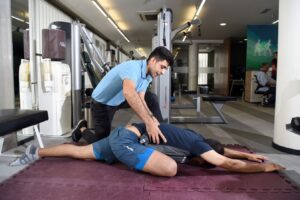
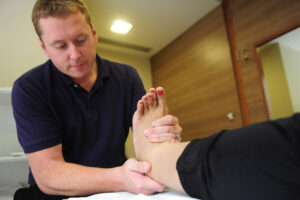
When mobility restrictions are present, the body compensates. FUNCTIONAL MANUAL THERAPY® helps restore joint mobility and soft tissue glide so movement becomes easier and more available.
FMT™ also helps map where timing is breaking down and which restrictions are driving the compensation pattern. That clarity helps the plan stay targeted.
The role of CoreFirst®
Once mobility improves, control must be retrained so the change holds in daily life.
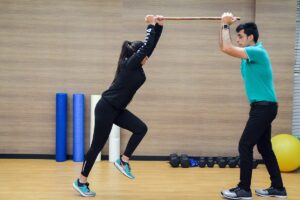
CoreFirst emphasises posture, alignment, and coordinated movement so stability arrives earlier. This improves movement precision, reduces bracing, and supports steadier loading in walking, stairs, and routine chores.
Two adjustments you can apply this week
- Build consistency before intensity Short, regular movement blocks tend to improve tolerance more steadily than occasional large sessions.
- Slow transitions Most breakdowns occur during transitions such as sit to stand, first steps after sitting, and bending to lift. A brief pause to set alignment before moving improves control.
What progress can look like in two weeks
- Days 1 to 4 FMT™ to restore key mobility restrictions. Introduce CoreFirst® breath and alignment strategies in sitting, standing, and hinging.
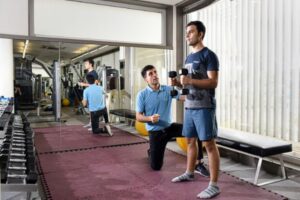
- Days 5 to 10 Build strength in usable range with controlled repetitions. Add balance and single leg tasks with clear form checkpoints.
- Days 11 to 14 Increase daily tolerance gradually. Track next day response and progress in small steps so movement stays steady.
Take the first step at VARDĀN.
Call us today at +91 011 43580720-22 / 9810306730
📅 Book your root-cause consultation at www.vardan.in
📍 Visit our advanced physiotherapy clinic in Delhi in Lajpat Nagar