A Movement-Based Clinical Perspective
What research keeps showing
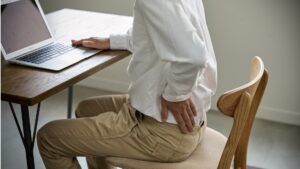
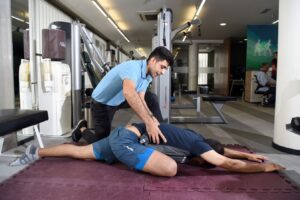
Low back pain is common in sport, and it can show up across training levels and disciplines. A systematic review on back pain in sport reports wide prevalence ranges depending on the sport and time frame.
Another consistent theme across research is the hip spine link: restricted hip range of motion, especially hip internal rotation, is frequently discussed in relation to non specific low back pain.
This is why “my back hurts” is often not a back only story. It is a load sharing story, and hip mobility is one of the biggest variables in that chain.
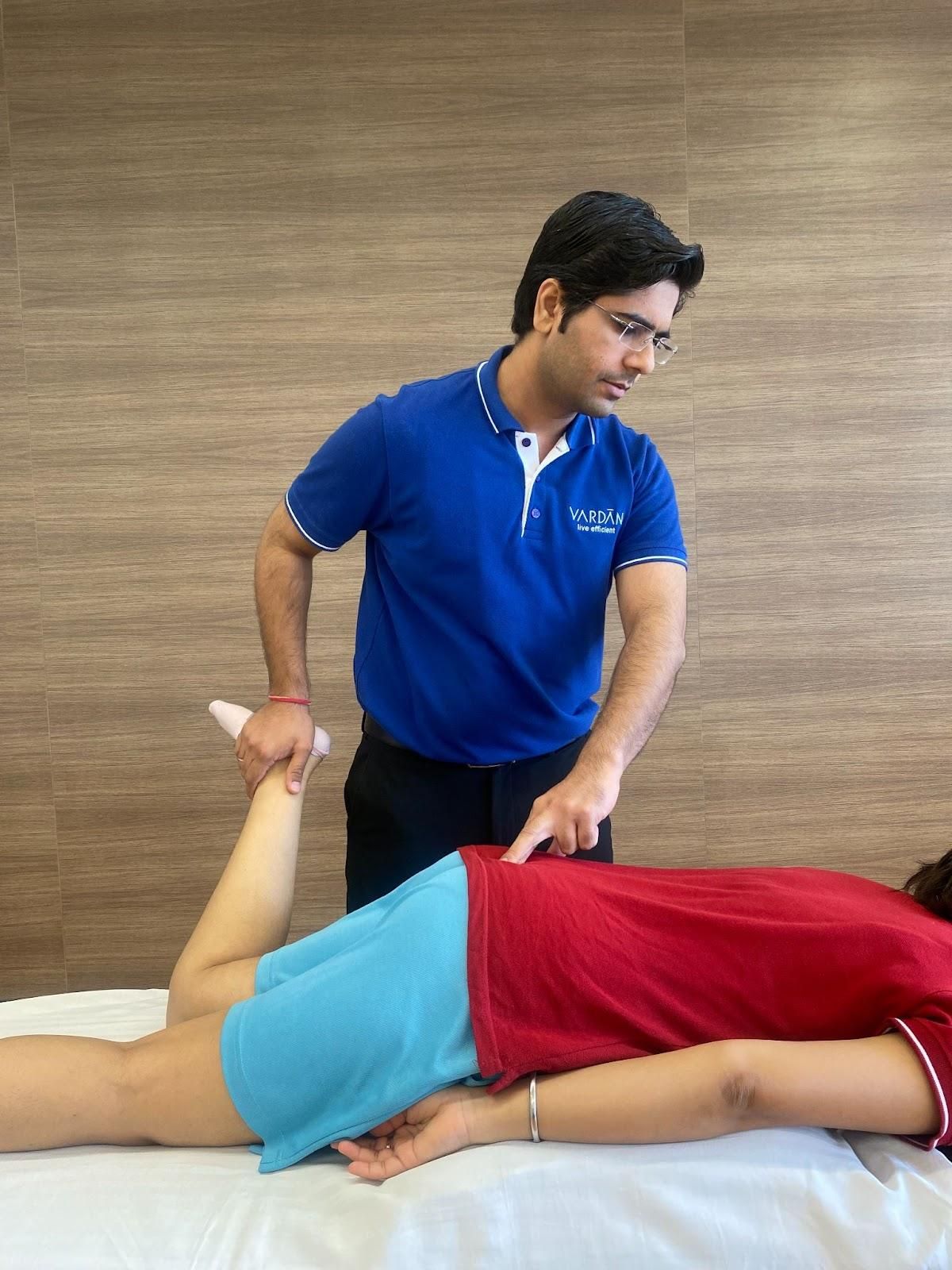
Why hip mobility matters for the back
- The lumbar spine rotates more
- The pelvis tips or shifts to find range
- The hamstrings grip to create control
- The back muscles tighten to create stability
How athletic back pain often starts
- Stiffness after training that was not there before
- Tight hamstrings that return quickly
- Back tightness after speed work or heavy lifting
- Pain that appears later in the day, not during the session
- Difficulty rotating cleanly in sport skills
Why stretching alone does not solve it
That is why athletes often say
- I stretch daily but still feel tight
- The back settles, then returns
- The hamstring keeps taking over
Early indicators hip mobility is part of the problem
- Back pain that increases with rotation based sport skills
- One hip that feels consistently tighter
- One sided back tightness after training
- Knee pain or hamstring tightness that appears along with back pain
- Reduced stride length or reduced hip extension feeling while running
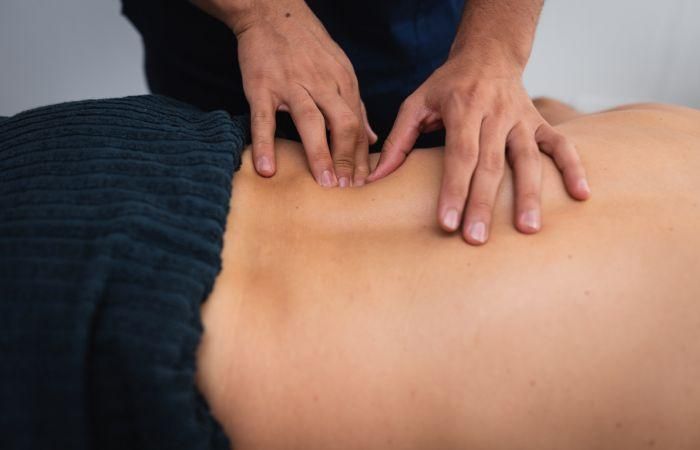
The VARDĀN assessment approach
- Posture and breathing mechanics
- Hip mobility and glide, including rotation and extension
- Foundational movement patterns such as hinging, squatting, lunging, and rotation
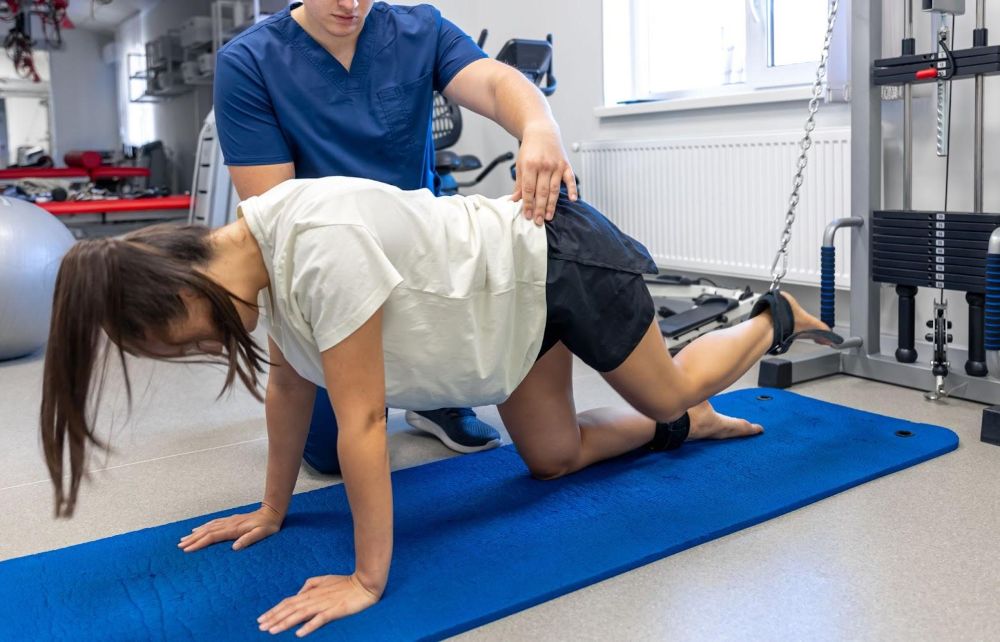
- Single leg loading and pelvic control
- Trunk timing under repetition and fatigue
- Sport specific movement demands when relevant
Fast reference: what you feel, what it often means, first focus
| What you experience | What it often means | Initial focus at VARDĀN |
|---|---|---|
| Back tightness after speed work | Hip extension limitation and late trunk stability | Restore hip mobility, retrain timing and control |
| Back pain with rotation skills | Restricted hip rotation, pelvis compensations | Restore hip rotation, retrain rotation strategy |
| Hamstrings always feel tight | Hip loading deficit, hamstrings overwork | Improve hip hinge mechanics and hip control |
| One sided back pain after training | Asymmetry in hip motion or pelvic control | Restore symmetry and single leg stability |
| Back pain after heavy lifting | Bracing strategy replacing hip mechanics | Rebuild hinge pattern and strength in usable range |
The role of FUNCTIONAL MANUAL THERAPY®
When hip mobility is restricted, compensations increase. FUNCTIONAL MANUAL THERAPY® helps restore joint mobility and soft tissue glide so movement options return.
FMT™ helps map where movement is breaking down and which restrictions are driving the compensation pattern. This is often what allows strength work to become more effective, because the body can finally access the right range.
The role of CoreFirst®
Once mobility improves, control must be retrained so the hip can actually carry load.
CoreFirst® focuses on posture, alignment, and coordinated movement so stability arrives earlier. This reduces the tendency to borrow motion from the lower back during speed, rotation, and fatigue.
Two practical adjustments to start today
- Earn hip range before adding speed - Work in a range you can control. Progress depth and pace only when alignment stays steady.
- Train the hinge with clean mechanics - If your hinge turns into back movement, your hips are not doing their job. Reset the pattern before you increase intensity.
What progress can look like in two weeks
- Days 1 to 4 - Clarify the driver pattern. Restore key hip and pelvis restrictions with Functional Manual Therapy®. Establish CoreFirst® strategies for posture and timing.
- Days 5 to 10 - Train hip loading and pelvic control through single leg strength and hinge work in usable range.
- Days 11 to 14 - Add sport specific demands gradually and monitor next day response so the pattern holds under fatigue
Call us today at +91 011 43580720-22 / 9810306730
📅 Book your root-cause consultation at www.vardan.in
📍 Visit our advanced physiotherapy clinic in Delhi in Lajpat Nagar
Frequently Asked Questions
No. But it is a common contributor, especially when rotation, speed, or single leg loading triggers symptoms.
Not always. Training is adjusted so it supports the plan and does not reinforce compensation.