A Movement-Based Clinical Perspective
Case Insight: When Fitness Was Not Enough
Arjun, 29, is consistent with training. He lifts four days a week and adds weekend sport. After a sudden change of direction in a match, he felt a sharp pull near the hamstring. He rested for a few days, then returned to the gym. He reduced the weight, avoided deep ranges, and focused on general strengthening.
He got fitter. But the discomfort kept returning. Sprinting felt uncertain. The back of the thigh stayed tight. One side started doing more work. His confidence dropped because he never knew what would flare up next.
When Arjun came to VARDĀN, the goal was not “more exercise.” The goal was rebuilding the movement pattern that broke down. We assessed how his hip loaded, how his pelvis and trunk controlled speed, and what changed under fatigue. The problem was not motivation. It was that his training did not match what the injury needed.
That gap defines the difference between training capacity and restoring sport-specific function.
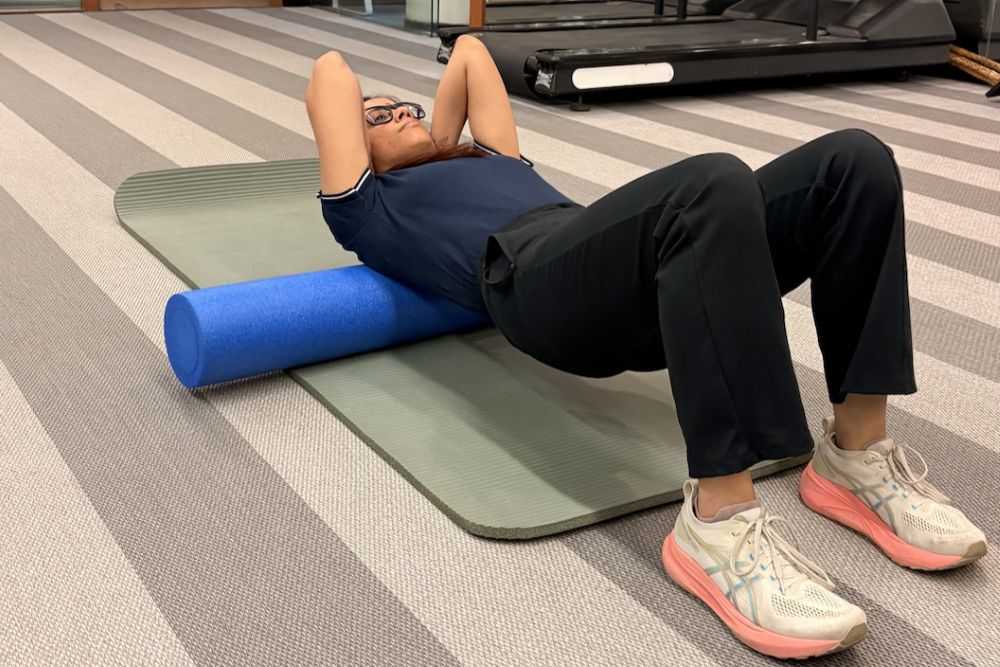
Fitness Builds Capacity. Rehabilitation Restores Function.
Why Pain Persists Despite Continued Training
- Movement quality changes after injury, even when strength improves
- A joint loses mobility and load shifts elsewhere
- Stability arrives late, so the body braces
- One side dominates and the other side avoids load
- Training stays linear, but sport is chaotic and reactive
What Fitness Training Does Well
- General strength and endurance
- Muscle balance when programmed correctly
- Bone density and tissue resilience
- Energy systems and conditioning
- Confidence from consistent training
What Effective Sports Rehabilitation Requires
- Mobility where movement is missing
- Control so stability arrives on time
- Strength in usable range, not only in safe range
- Sport specific exposure with progressive complexity
- Return to performance with fatigue aware planning
Early Signs You Need Rehabilitation, Not Just More Training
- Pain settles with rest but returns with sport
- Tightness keeps returning in the same spot
- You avoid positions or ranges without realising it
- One side feels less stable or less powerful
- Speed, direction change, or impact triggers symptoms
- You feel fit but not confident in the injured side
How We Assess Return-to-Sport Readiness at VARDĀN
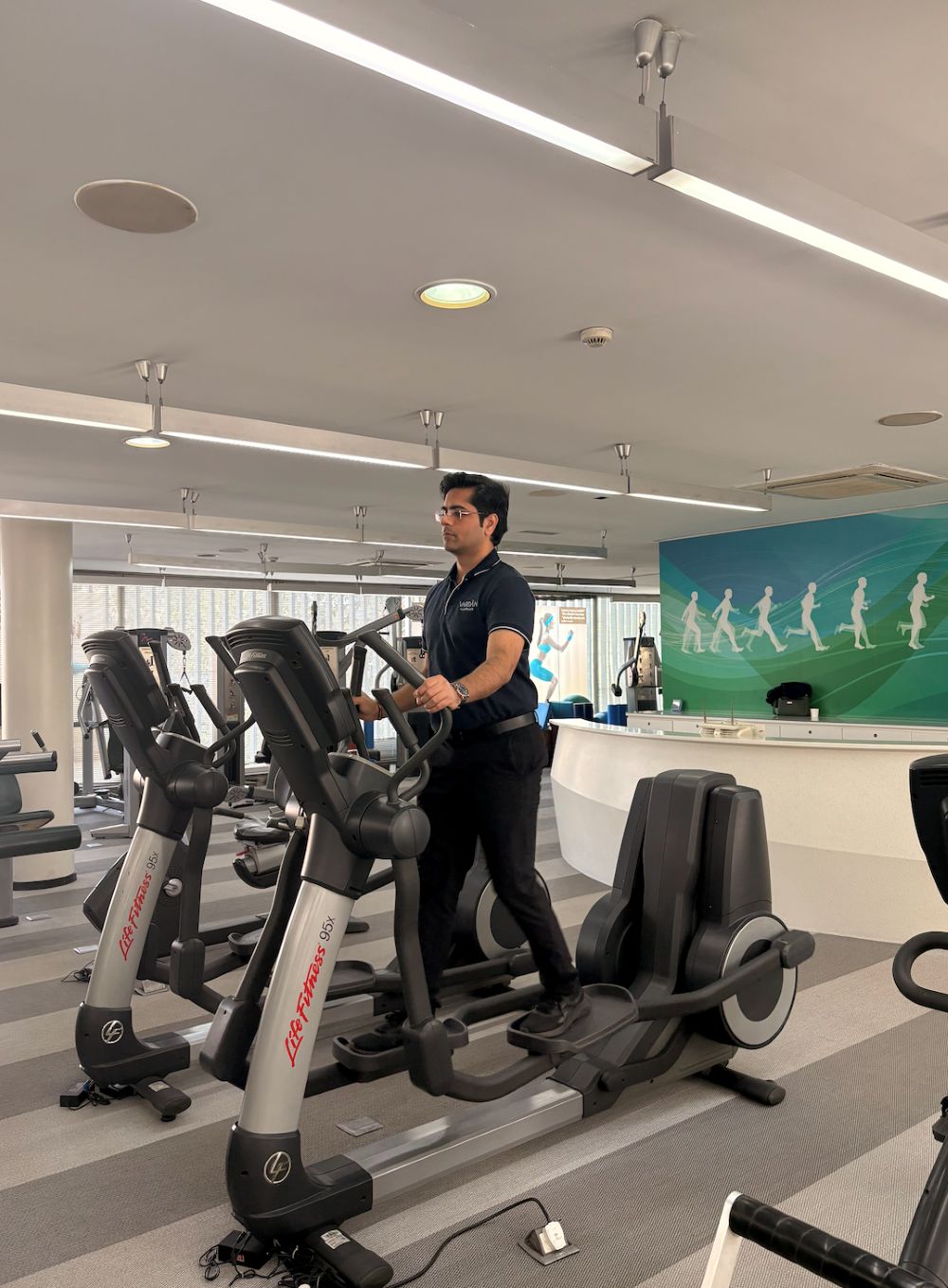
- Posture and breathing mechanics
- Joint mobility and glide
- Fundamental movement patterns such as hinging, squatting, lunging, and rotation
- Single leg loading, impact absorption, and rotation control
- Control through usable range
- What changes when speed and fatigue increase
Fast Reference: Symptoms, Meaning, Initial Focus
| What you experience | What it often means | Initial focus at VARDĀN |
|---|---|---|
| You feel strong but pain returns in sport | Control drops under speed and fatigue | Rebuild timing and sport specific control |
| Tightness keeps returning in one muscle | The muscle is compensating for another restriction | Restore mobility and correct the driver pattern |
| One side feels less stable | Asymmetry in control or load sharing | Restore symmetry through targeted retraining |
| You avoid deep ranges | The system does not trust those positions | Reintroduce range gradually with control |
| Pain returns with change of direction | Poor deceleration and single leg control | Train deceleration, landing, and direction change mechanics |
The role of FUNCTIONAL MANUAL THERAPY®
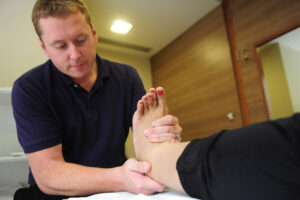
If joint mobility is restricted, the body compensates. That compensation can keep the injury pattern active even if you strengthen. FUNCTIONAL MANUAL THERAPY® helps restore joint mobility and soft tissue glide so movement options return.
FMT™ helps map where movement is breaking down and what is driving the overload pattern. This sets a clear foundation for the rehabilitation plan.
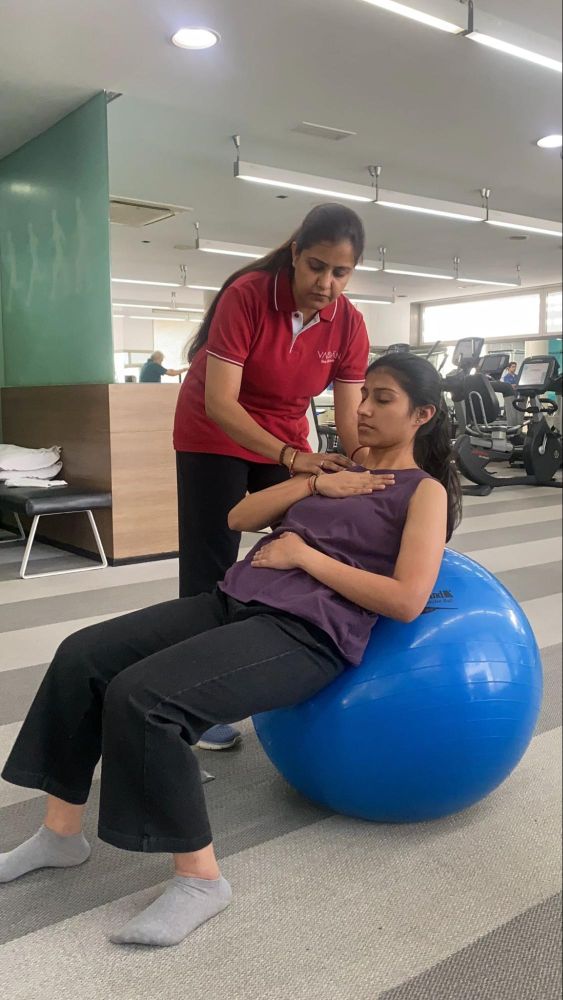
The role of CoreFirst®
Two practical shifts that support recovery
- Do not train around the injury forever Avoidance can reduce pain, but it also reduces capacity. Rebuild range gradually with control.
- Progress complexity, not only weight Sport demands speed, reaction, and direction change. Add complexity when control is stable, not when you feel bored.
What progress can look like in two weeks
- Days 1 to 4 Clarify the driver pattern. Restore key mobility. Establish CoreFirst® control strategies.
- Days 5 to 10 Build strength in usable range. Train single leg stability and basic sport movement patterns.
- Days 11 to 14 Progress speed, impact, and direction change exposure. Track next day response and adjust.
Call us today at +91 011 43580720-22 / 9810306730
📅 Book your root-cause consultation at www.vardan.in
📍 Visit our advanced physiotherapy clinic in Delhi in Lajpat Nagar