A Clinical Case Perspective
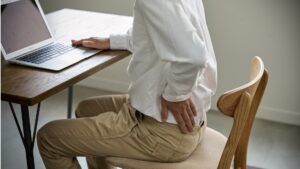
Kabir, 27, trained with discipline and intent five days a week. His strength levels were high, his commitment consistent, and his goals clear. Yet, every few weeks, familiar issues resurfaced. A hamstring strain during high-speed sessions. Sharp knee pain while climbing stairs. Persistent lower-back tightness following sprint work.
Temporary relief came from rest and massage, but progress never lasted. Kabir was not seeking a quick fix—he wanted dependable performance, confidence in his body, and advancement without repeated setbacks.
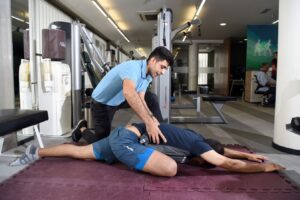
At VARDĀN, the process began not with additional exercises, but with a comprehensive understanding of how Kabir’s body managed load. We observed movement at slow and fast speeds and evaluated changes under fatigue. The pattern was unmistakable: stability was delayed, forcing his body to borrow support from less suitable structures.
This is where neuromuscular control becomes decisive.
Why Strength Alone Is Not Enough
Understanding Neuromuscular Control
- Adequate joint mobility to allow unrestricted movement
- Optimal alignment to direct load through resilient structures
- Precise timing so stability precedes acceleration
- Effective coordination among body segments
- Endurance to maintain control under fatigue
Why Pain Persists Despite Rest
- Limited ankle mobility increasing knee rotation
- Poor hip loading forcing hamstrings to overwork
- Delayed trunk control leading to lower-back tension
- Inadequate scapular control shifting stress to the elbow
Early Indicators of Poor Control
- Pain emerging after, not during, training
- Shifting tightness across different regions
- Persistent side-to-side asymmetry
- Rapid deterioration of form under increased pace or volume
- A sense of strength without stability
- Recurrent issues appearing every few weeks
The VARDĀN Assessment Philosophy
- Standing posture and breathing mechanics
- Fundamental movement patterns such as hinging, squatting, lunging, and rotation
- Single-leg loading and impact absorption
- Control throughout available range, not merely end range
- Movement behaviour under speed and fatigue
Fast Reference: Symptoms, Meaning, and First Steps
| What You Experience | Likely Interpretation | Initial Focus at VARDĀN |
|---|---|---|
| Chronic hamstring tightness | Inefficient hip loading or delayed trunk control | Refine hip hinge mechanics and trunk timing |
| Knee pain after runs or stairs | Restricted ankle mobility or poor single-leg control | Restore ankle motion and retrain knee tracking |
| Lower-back tightness post speed work | Stability achieved through tension, not control | Reset alignment and build postural endurance |
| Shoulder or elbow discomfort | Rib and scapular control deficits | Improve shoulder mobility and scapular coordination |
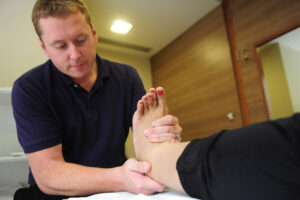
| Recurrent calf strains | Inadequate foot and ankle load sharing | Enhance foot stability and ankle mechanics |
| Hip pinching during squats or sprints | Limited hip mobility or pelvic control | Restore hip motion and retrain pelvic stability |
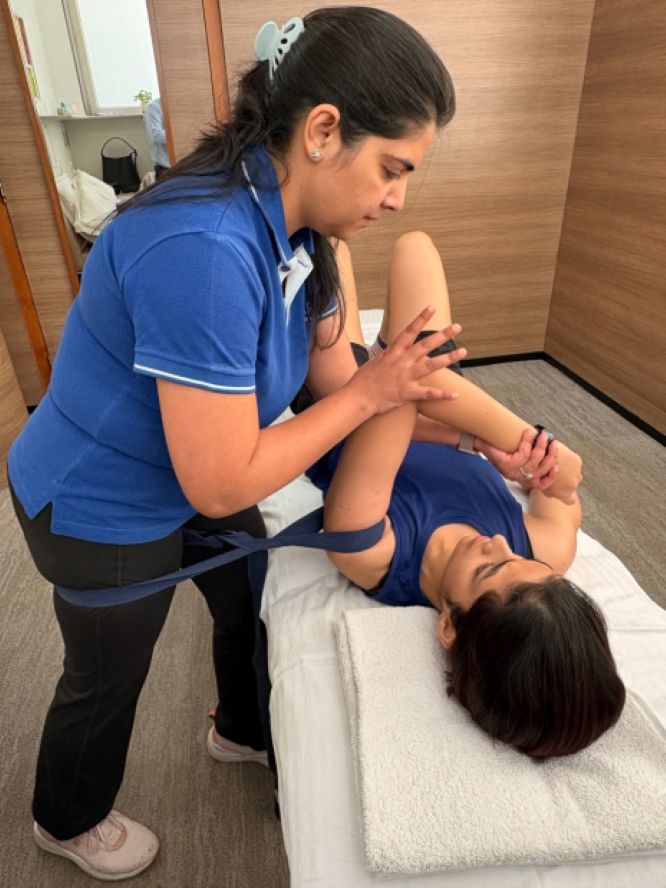
The Role of Functional Manual Therapy®
The Role of CoreFirst®
Two Practical Adjustments to Begin Immediately
- Prepare Before Movement: Prior to each repetition or step, gently exhale and allow the ribs to settle before initiating movement.
- Progress Range Intentionally: Work within a controllable range and expand only when movement remains smooth and symptom-free.
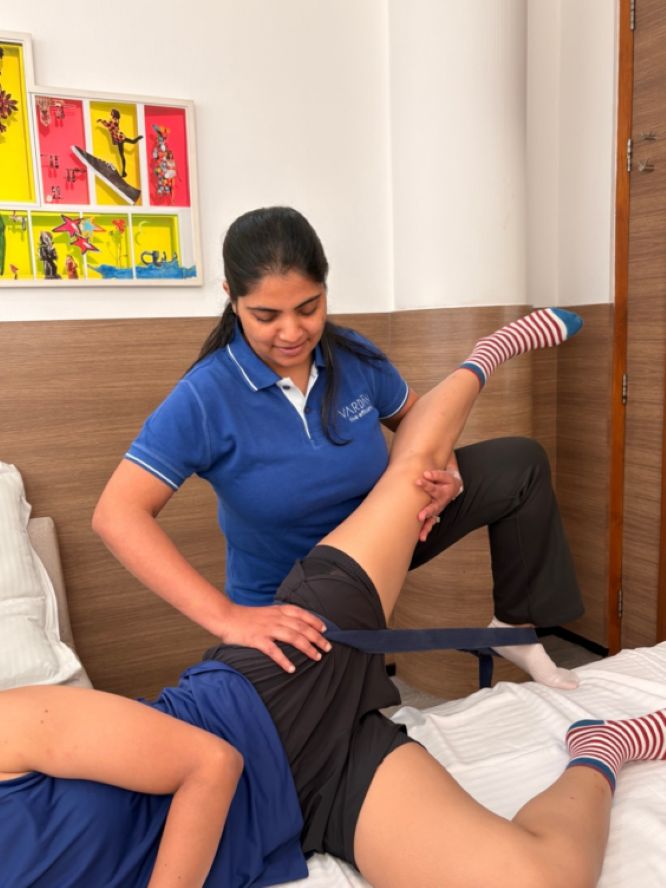
What Distinguishes This Approach
- Restore mobility so movement is possible
- Train control so stability arrives on time
- Build strength that endures under load
- Return to sport with a fatigue-aware plan
Call us today at +91 011 43580720-22 / 9810306730
📅 Book your root-cause consultation at www.vardan.in
📍 Visit our advanced physiotherapy clinic in Delhi in Lajpat Nagar